General NewsFrom missing data to calculation details: five questions to ask Agent Zero
Read moreWhy have emissions changed? What data is missing? How was a figure calculated? Explore five practical questions to ask Agent Zero, our AI assistant in


October 19, 2026

By the Generate Zero Team | Published October 2026 | Platform Updates
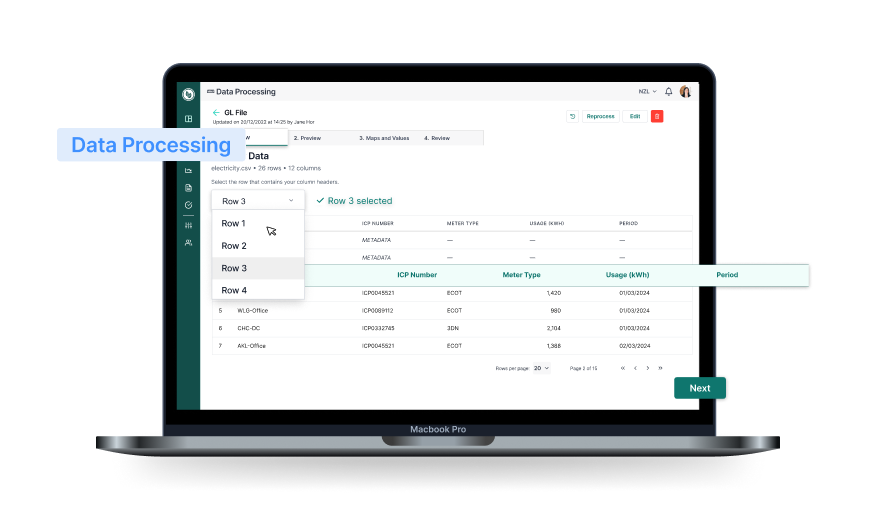
Before you can work with emissions data, you often have to fix the spreadsheet. Columns need renaming, formats need changing and someone has to check that everything ended up in the right place.
That preparation takes time, especially when files arrive from different teams in different formats.
Generate Zero’s Self-Service Data Ingestion is now live. It lets you bring a spreadsheet into the platform and review how its columns map to your emissions data, without first rebuilding the file around a template.
The data comes into the platform you already use for emissions reporting, where you can retain the records needed to support assurance.
Less time reformatting files means more time to investigate the numbers. You can follow up on gaps, prepare for assurance and look at where emissions could be reduced.
Self-Service Data Ingestion is part of Generate Zero, so you can prepare and use your data in the same place.
Watch the short walkthrough [VIDEO LINK], or get in touch to see how it could work with your data.
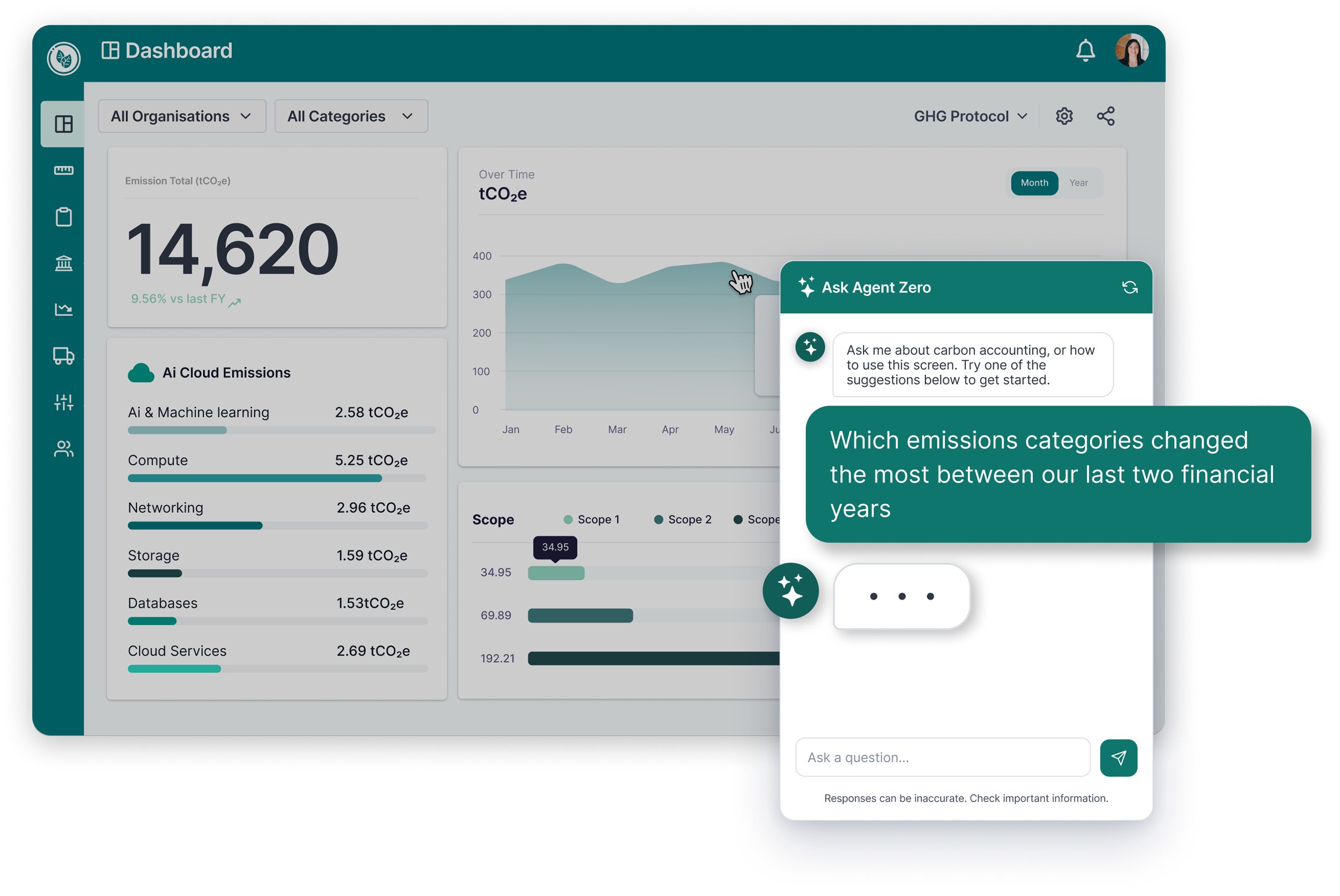
Why have emissions changed? What data is missing? How was a figure calculated? Explore five practical questions to ask Agent Zero, our AI assistant in
Generate Zero is now ISO 27001:2022 certified, confirming an independently audited approach to protecting customer data.

The Ministry of Social Development has joined Generate Zero to measure, report and reduce its operational emissions.